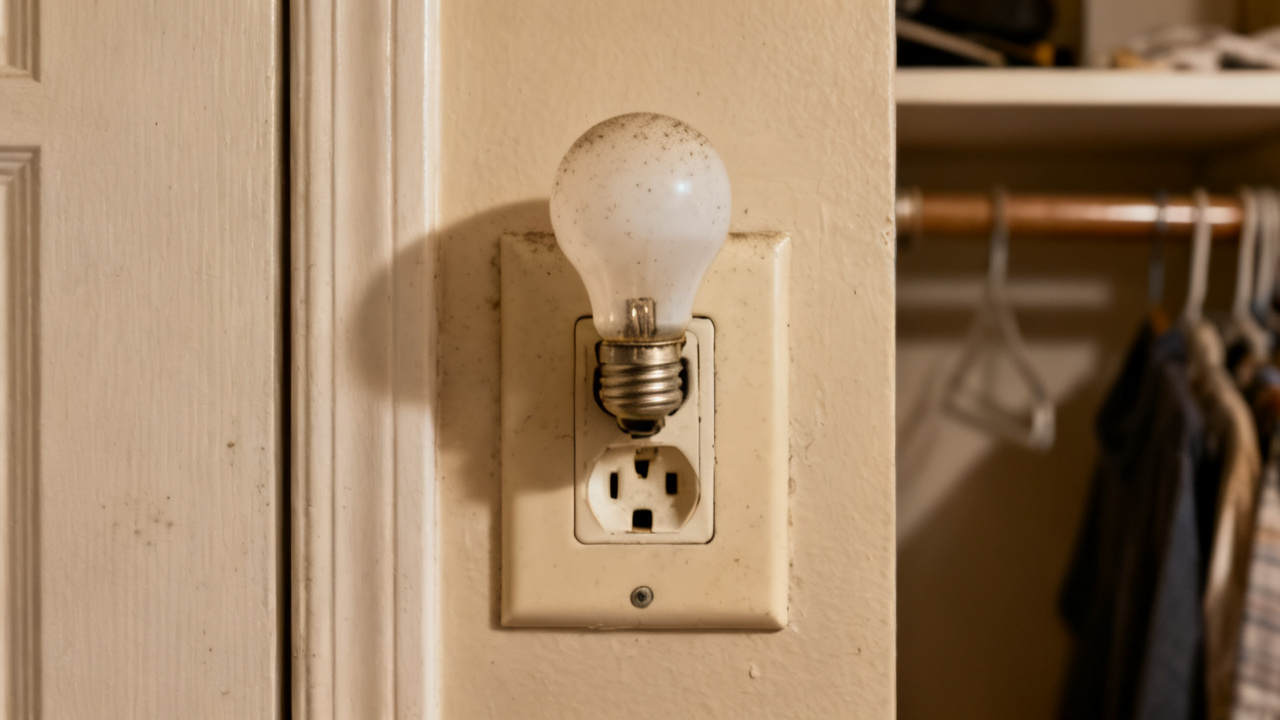
The lamp is off at the switch. The plug is still in the wall. You balance a wobbly step stool on the scuffed apartment hallway linoleum, one hand braced against the cinder block wall to keep steady. The dead fluorescent tube above the mail slots glints faintly, and you can hear a neighbor’s TV murmur through the door three units down. You already dug the new replacement bulb out of your utility tote an hour ago, setting it next to the Hall Bulb Desk while you sorted the building’s outgoing mail earlier.
What prevents the hallway light from turning on
You tested the switch twice before grabbing the step stool, flipping it on and off to rule out a loose toggle, and the fixture stayed dark every time. The last bulb was installed four months ago, so it is far more likely to be a burnt-out bulb than a wiring issue, and you can spot the faint dark discoloration at the base of the old bulb through the frosted glass cover, a common sign the filament burned through with regular use. If you had spotted sparks when flipping the switch or smelled acrid burning plastic near the fixture, you would leave the job to a licensed electrician, but there are no warning signs of that level of damage here. Even with the switch flipped to off, older building wiring can sometimes carry a live current to the socket, so leaving the plug inserted is a risk you do not want to take before you touch any part of the fixture.
Parts of the fixture you never tamper with
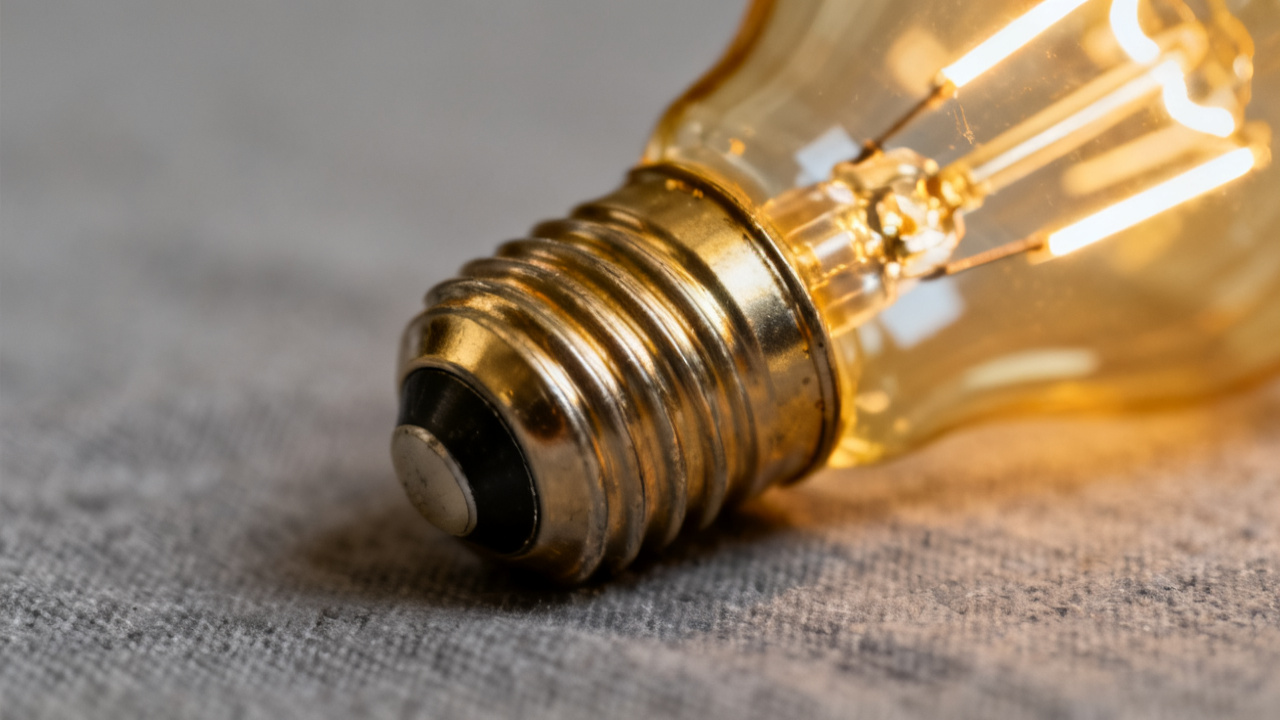
The hard plastic wiring housing at the back of the fixture, which is screwed directly into the wall and connects the socket to the building’s permanent electrical system, is off limits for any at-home adjustments. The small plastic knobs that hold the frosted glass cover in place are fine to loosen and tighten, but if you spot any exposed copper wiring peeking out from behind the housing, you stop work immediately and submit a maintenance request to the property manager, no exceptions. You also do not pry open the socket casing to adjust internal metal connectors, even if you suspect an old bulb is just seated incorrectly, as that work requires specialized training to avoid shock risk. If the entire fixture pulls away from the wall when you apply light pressure to it, you leave it as is, since that is a sign the mounting hardware is loose and could cause the whole unit to fall if you mess with it further.
Quick 10-minute bulb replacement steps
Follow these steps in order to finish the job safely without rushing:
- Reach down to the outlet beneath the mail shelf, grip the hard plastic base of the hall light plug firmly, and pull it straight out of the wall to cut all power to the fixture before you touch any part of it. Flip the light switch a second time to confirm the bulb does not turn on, so you know power is fully disconnected.
- Loosen the two small plastic knobs on either side of the frosted glass fixture cover, tuck the knobs into the pocket of your work hoodie so you do not lose them, and lower the cover gently to rest on the top step of your step stool to avoid dropping it.
- Grip the base of the old burnt-out bulb, twist it counterclockwise until it comes loose from the socket, and set it directly into the empty bubble wrap sleeve you brought for it to prevent broken glass if you drop it while moving it off the stool.
- Take the new LED bulb out of its cardboard packaging, align the pins on its base with the slots in the socket, and twist it clockwise until it sits snugly in place, taking care not to apply too much pressure that could crack the bulb’s glass casing.
- Replace the frosted glass cover over the fixture, tighten the two plastic knobs to hold it securely in place, plug the fixture back into the wall, and flip the switch once to confirm the new bulb turns on properly.
Illustrative example: A standard 15W LED hallway bulb can hold a consistent brightness for up to 14,200 hours of use before dimming, though frequent switching on and off from high foot traffic in the building can shorten that span by 10 to 15 percent. You do not guarantee this bulb will last for any specific length of time, as building power fluctuations, accidental impact, or unforeseen wiring issues can cause it to fail earlier than expected.
Disposal spots for old bulb and packaging
The old bulb you removed is a CFL, so it cannot go in the regular building trash due to trace amounts of mercury inside the glass casing. You keep it sealed in its bubble wrap sleeve and set it in the side pocket of your utility tote to drop off at the household hazardous waste bin at your local grocery store’s recycling center on your way to pick up groceries tomorrow. The cardboard packaging from the new bulb goes in the mixed recycling bin next to the building’s front door, after you remove the small plastic shrink wrap from around the box, which goes in the general trash. The bubble wrap sleeve you used for the old bulb is still intact, so you tuck it back into your utility tote to reuse for the next bulb replacement instead of throwing it away. If the old bulb had broken when you removed it, you would sweep up all shards with the small broom and dustpan kept under the mail counter, seal them in a thick plastic bag, and throw them in the general trash to avoid anyone cutting themselves on loose glass in the recycling bin.
Distractions you can tune out while you work
The neighbor two doors down who always stops to chat when they see you working is just coming home from their shift, so you wave and mouth “catch up later” to them so you can stay focused on the job instead of getting distracted mid-task. The faint beep of the building’s monthly fire alarm test starts up as you loosen the fixture cover, and since you got the alert about the test this morning, you ignore the beeping until you finish replacing the bulb instead of pausing to evacuate. The text message buzzing in your pocket from your roommate asking what you want for takeout can wait until you are off the step stool and have all parts of the fixture put back together, so you do not risk losing your balance or dropping the new bulb while reaching for your phone. The small spider web in the corner of the fixture is a task for your weekly hallway sweep tomorrow, so you ignore it for now to stay focused on the bulb replacement, and you also ignore the urge to rush through the job to get to your dinner plans, as rushing leads to easily avoidable mistakes.
Next scheduled hall light fixture check
You mark your calendar for three months from today to do a quick walkthrough check of all three hallway light fixtures, including the one above the mail slots, the one by the stairwell entrance, and the one by the back exit to the parking lot. That check will involve confirming all bulbs are working as expected, looking for any signs of discoloration or flickering that could mean a bulb is close to burning out, and making sure all fixture covers are securely attached to the wall. You will also use that check to confirm all plugs for plug-in fixtures are fully seated in their outlets, there is no fraying on any visible electrical cords, and there are no signs of overheating around the outlet plates. If you spot any of those red flags during that check, you will submit a maintenance request to the property manager immediately instead of attempting to fix the issue yourself. You also add a note to your grocery list to pick up two extra replacement LED bulbs the next time you are at the hardware store, so you have spares on hand if a bulb burns out unexpectedly between scheduled checks.