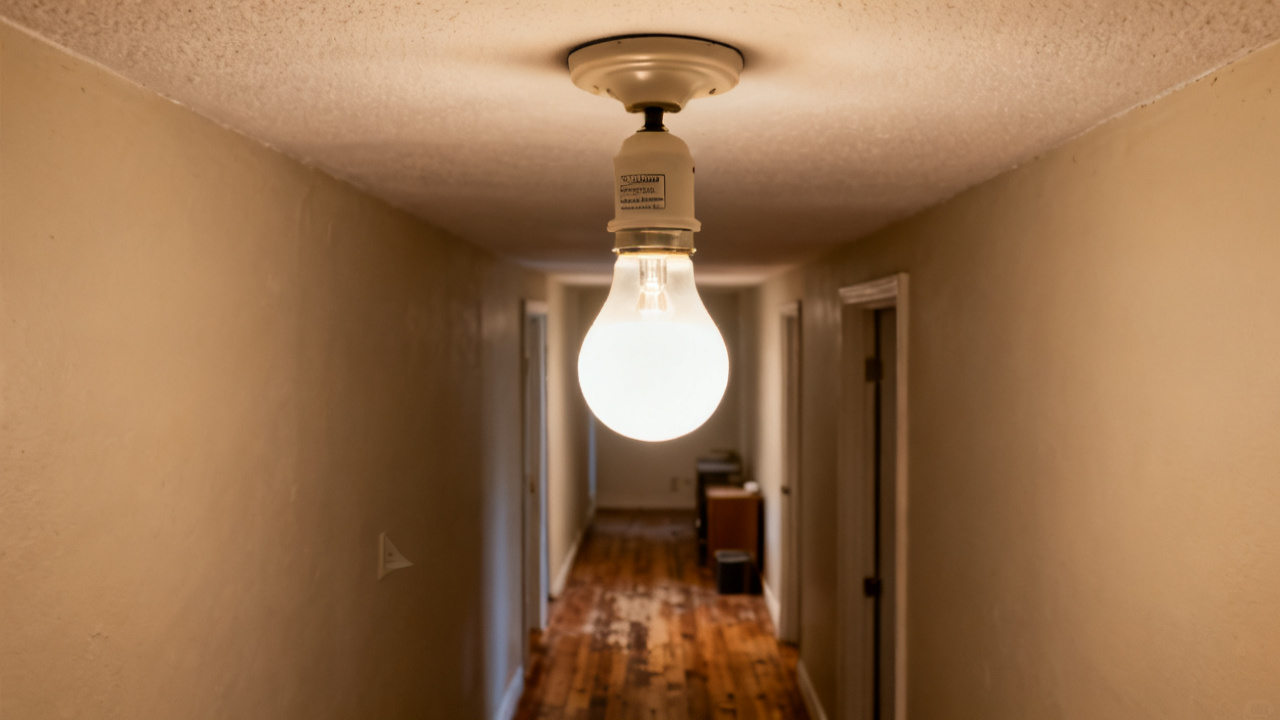
The lamp plug has two prongs. The wall has three holes. You’re standing in the third-floor hallway outside your apartment, holding the small table lamp you dragged out from your entryway to test at the Hall Bulb Desk earlier. The overhead hall light flickered out last week, and you were hoping to plug the lamp in here to light the space for your neighbor who uses a cane to navigate after dark. The third hole on the outlet stares back at you, and you can’t remember if jamming the two prongs in anyway is safe, or if you need to adjust something first.
What is wrong with this configuration
The mismatch here comes down to grounding, a safety feature built into most modern electrical systems. The third, round hole on the outlet is a ground slot, designed to accept the long metal pin on three-prong plugs, which redirects excess electricity away from the device and into the ground if there’s a short circuit or wiring fault. Two-prong plugs don’t have that grounding pin, so they don’t interface with that slot at all, but that doesn’t automatically make the combination unsafe, especially for low-wattage devices. The core risk here comes from forcing the plug in incorrectly, using a device that draws too much power, or using the setup for extended periods without checking for signs of wear. Older apartment buildings like this one often have three-hole outlets that aren’t actually connected to a ground wire anyway, installed only to meet modern cosmetic code requirements for rental properties.
Which parts you never modify for this fix
There are a handful of adjustments you never make to force a two-prong plug into a three-hole outlet, no matter how eager you are to get the light working. You never pry at the outlet slots with a screwdriver or knife to widen them if the prongs feel too tight, because that can damage the internal wiring and create a shock or fire risk for anyone who uses the outlet later. You never unscrew the outlet faceplate to adjust the internal components, because building maintenance retains full responsibility for all hardwired hallway electrical systems, and you don’t have the training or permission to modify that wiring. You also never use a metal object to fish around inside the ground slot or any other part of the outlet, even if you think there’s debris blocking the prongs from seating. If you notice fraying on the lamp’s cord, bent prongs, or scorch marks around the outlet faceplate, you abandon the project entirely and wait for maintenance to address the issue.
How to safely seat the plug in five steps
This entire process takes less than 10 minutes, and follows simple guardrails to keep the setup low-risk for temporary use:
- Unplug any other devices connected to the outlet first, even if they’re turned off, to eliminate cross-current risk while you work.
- Check the plug’s prongs: one is slightly wider than the other if it’s a polarized two-prong plug, which most modern low-wattage lamps are. Line the wider prong up with the wider left slot on the outlet, leaving the ground hole empty below the two slots.
- Gently apply even pressure to the back of the plug, pushing straight in without wiggling it side to side, until both prongs are fully seated and no metal is visible between the plug base and the outlet faceplate.
- Flip the lamp’s on switch to test if it powers on, and hold your hand an inch away from the plug base for 10 seconds to feel for any unusual heat that would signal a bad connection. If you feel any warmth at all, pull the plug out immediately and stop the project.
- If the lamp doesn’t turn on, pull the plug straight out gently, flip it 180 degrees, and repeat steps 2 through 4 for non-polarized plugs that fit either direction in the outlet.
Illustrative example: A 7-watt LED lamp like the one you’re using draws less than 0.1 amps of power, so even if there is a minor connection inconsistency, the risk of overheating is negligible for short-term use of a few days or less.
Where to position the lamp for safe use
Once the lamp is plugged in and working, you position it so it poses no risk to people walking through the hallway or to the building’s safety systems. You set it on the narrow built-in wooden ledge to the right of the outlet, far enough back from the edge that it won’t get knocked off by people carrying backpacks, grocery bags, or strollers down the hall. You tuck the lamp’s cord into the small gap between the baseboard and the linoleum hallway floor, so no one trips over the loose cord while walking in the dark. You make sure the cord doesn’t cross the fire escape threshold or the door jamb of any nearby apartment, so no one slams a door on the cord or blocks the emergency exit path with it. You also leave at least three inches of clear space around the base of the lamp, so no one stacks loose mail, takeout containers, or shoe boxes next to it that could block the light or come into contact with the bulb.
When unprompted advice doesn’t apply here
You will almost certainly get unsolicited input from neighbors passing through the hall, and most of it you can safely ignore for this specific temporary setup. You can dismiss the neighbor who stops and tells you that you need to buy a three-prong grounding adapter to make the setup legal, because those adapters only work if the outlet is actually connected to a ground wire, which maintenance confirmed in last month’s building newsletter that these hallway outlets are not. You can ignore the viral social media clip you saw last week that claimed two-prong plugs in three-hole outlets always cause house fires, because that risk only applies to high-wattage devices like space heaters, air conditioners, or microwaves, not low-wattage LED lamps used for a few days. You can also ignore the urge to run an extension cord from inside your apartment to power the lamp instead, because that would stretch across the hallway and block the fire escape path, which violates local fire code and building rules. If someone expresses concern about the setup, you can tell them it’s a temporary measure to light the hall until maintenance replaces the overhead fixture, and you’re checking it regularly for signs of wear.
Your next check for this temporary setup
You set a reminder on your phone to stop back in the hallway 48 hours from now, right after you get home from your evening shift, to inspect the setup. You’ll first hold your hand an inch away from the plug base to feel for any unusual heat, then pull the plug straight out to inspect the prongs for discoloration, bending, or scorch marks that would signal a bad connection. If everything looks normal, you’ll plug it back in, test that the lamp still turns on, and adjust the position of the cord or lamp if it’s been knocked askew by foot traffic. You’ll also check the ledge around the lamp to make sure no one has stacked any flammable materials next to it, and tuck the cord back into the baseboard gap if it’s been pulled loose. Once maintenance posts a notice that the overhead hall light has been replaced, you’ll unplug the lamp, wrap the cord around its base, and bring it back inside your apartment to use in your entryway again.