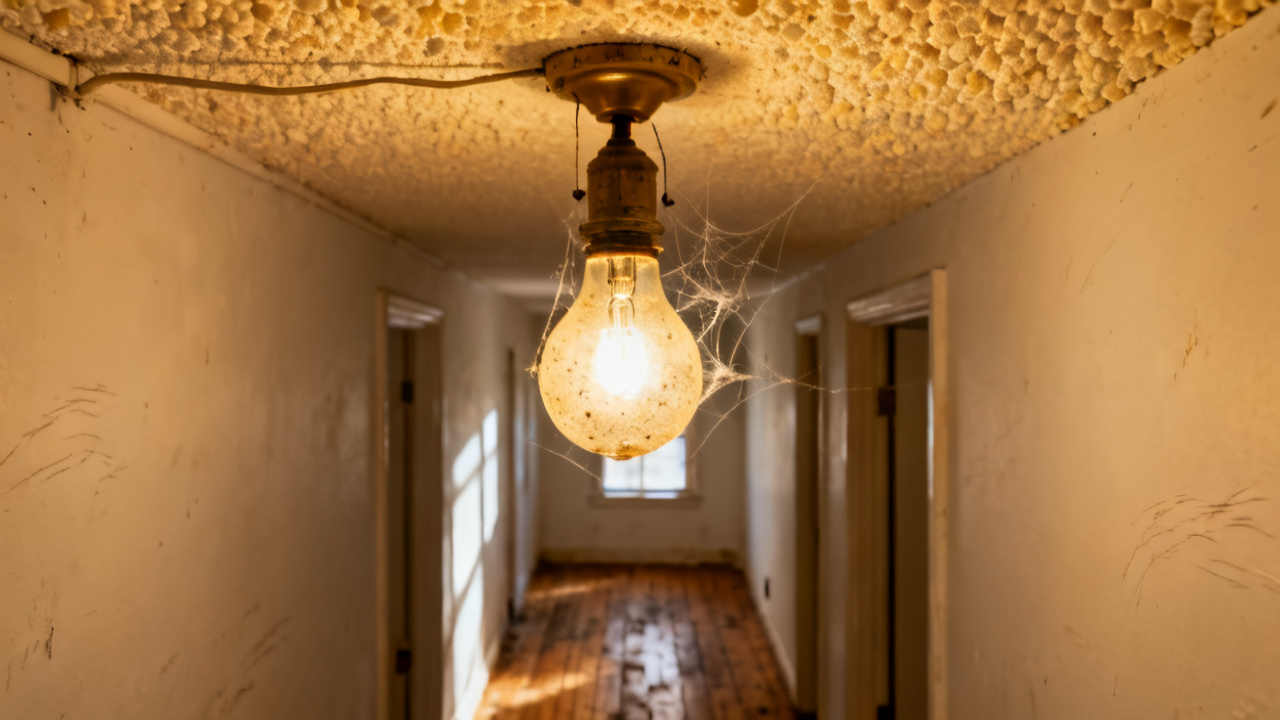
You are turning lights off. The hall will be dark if you get them all. Your socked feet scuff the cool linoleum outside your bedroom door, the faint hum of the fridge fading as you reach the last bank of light switches by the front door. You already double-checked the deadbolt and fed the cat who’s now curled on the windowsill watching a stray raccoon root through the building’s trash bins. A cramp nags at your calf from your afternoon run, and you’re 30 seconds from collapsing into your cool sheets, the weighted blanket you washed this morning waiting for you on the bed.
Two hall lighting choices
You have only two practical options for keeping the hall partially lit through the night, no complicated workarounds needed. The first is the standard overhead flush-mount fixture that you flip on every time you carry armfuls of groceries home from the corner store, fitted with a 60W soft white bulb that illuminates every inch of the 15-foot hall stretch between the elevator and your unit. That option is far too bright for overnight use, though: its light will seep 6 inches under your bedroom door, cutting into your melatonin production and making it harder for you to stay asleep through the early morning hours, and it will cost noticeably more to run for 8 straight hours every night. The second option is the tiny plug-in accent light you stashed in the hall closet last month, a compact model designed specifically for overnight hallway use, with a low-wattage bulb that casts a narrow, soft glow rather than flooding the entire space. Your building’s maintenance lead mentioned at the last tenant meetup that low-wattage night lights are the best solution for shared hallways, cutting down on late-night fall risks for neighbors who get up to use the bathroom or walk their dogs before dawn without wasting unnecessary power. Illustrative example: the plug-in option uses 0.6 watts of power, costing you roughly 18 cents per year to run for 8 hours every night, which is negligible enough that you won’t even notice the difference on your utility bill. It also won’t glare off the polished metal handrail by the stairs, which is a common complaint from tenants who have tried using brighter overnight lights in the past.
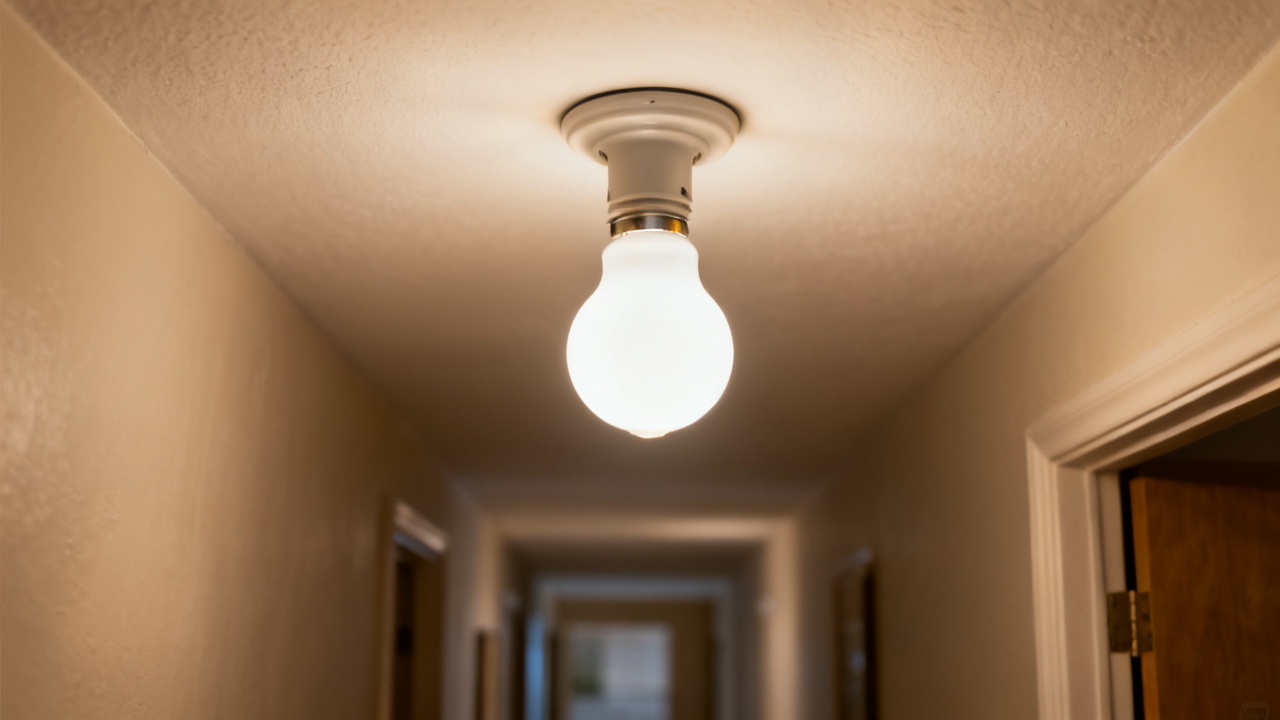
Selected night light fixture
You land on the plug-in accent light as the clear best pick for tonight, no second-guessing needed. The overhead fixture would be total overkill for your current needs: you don’t need full visibility of the entire hall, just enough light to make out the edge of the baseboard, the cat’s ceramic water bowl that sometimes gets nudged into the walkway when he’s playing, and the loose floor tile by the elevator you still need to send your landlord a photo of. This specific model has a built-in dusk-to-dawn sensor, so you don’t have to remember to turn it off when you wake up in the morning, it will shut off on its own when the first sunlight hits the hall’s frosted skylight. It also doesn’t have any flashy LED strobes or color-changing settings that might distract or annoy the neighbor across the hall, who leaves their door cracked an inch every night so their small terrier can wander out to sniff the baseboards whenever he wants. You tested this exact light last weekend when you had a group of friends over for takeout, and no one even noticed it was plugged in until they mentioned they could find their way to the shared bathroom down the hall without fumbling for the main light switch. You don’t make any guarantees about how long this light will last, of course: sensors can burn out after months of consistent use, the bulb can pop without warning, or you might decide you hate the warm gold tone after a few weeks, but it’s the perfect fit for tonight’s needs.
Quick installation steps
You don’t need any special tools or prior experience to set this light up, just 60 seconds of your time before you head to bed. Follow these simple steps to get it in place:
- Reach into the canvas tote hanging by your front door hook and pull out the small plug-in night light, still in its original cardboard packaging, and tear off the clear plastic shrink wrap with your thumbnail, making sure to toss the wrapper in the small paper recycling bin tucked under the hall side table so it doesn’t end up as a tripping hazard itself.
- Unplug the outdated phone charger that’s been sitting in the low wall outlet by the stairs for three weeks, since you haven’t used that old Lightning cable since you upgraded your phone last month, and tuck the coiled cable in the top drawer of the side table to use as a backup for guests later.
- Line up the prongs of the night light with the outlet slots, push gently until it sits flush against the off-white wall, and wave your hand in front of the small circular sensor to confirm it lights up, the soft gold glow spilling just far enough to cover the 2 feet of walkway between the stairs and your apartment door.
- Flip off all the other hall light switches one by one, starting with the overhead flush-mount fixture, then the under-cabinet light by the side table, then the small orange string lights you hung up for Halloween last month that you still haven’t taken down, to make sure the night light is the only source of illumination in the shared hallway stretch outside your unit.
- Do one quick test walk from your bedroom door to the front door, no phone flashlight, to confirm you can see the loose floor tile, the cat’s water bowl, and the pair of rubber rain boots you left by the door after this morning’s rainstorm without squinting or stubbing your toe.
If you notice any fraying on the plug cord at any point, unplug it immediately and set it aside to replace. You picked up this specific night light on your way home from the Hall Bulb Desk last week, when you stopped to grab a replacement bulb for your bedroom desk lamp.
Next monthly check-in
Next month on the first Sunday, you’ll pause your evening routine right before you turn off the lights to assess if this night light is still working as expected for your needs. You’ll first check if the dusk-to-dawn sensor is still triggering correctly when the hall gets dark, wiping any dust off the sensor face if it’s not activating when the sun goes down. You’ll also test the glow level again to make sure it’s still bright enough to illuminate all the common tripping hazards in the hall without being so bright that it seeps under your bedroom door or annoys the neighbor across the hall, who you can ask for feedback if you see them grabbing their mail earlier that day. If you want to switch things up, you can swap this light out for a different model you have stored in the closet: a cooler-toned one that might feel less stuffy during the hot summer months, or a slightly brighter one if you start leaving stacked donation boxes in the hall for drop-off later that week. You can also decide to use the overhead fixture for a single night if you have a friend staying over who isn’t familiar with the building’s layout, as long as you remember to switch back to the lower-wattage option the next night to avoid wasting power. You’ll also use this monthly check-in to scan the hall for any new tripping hazards that have popped up, like a stack of Amazon boxes left by the elevator for another tenant, or a small entry rug that’s shifted into the walkway, so you can move those out of the way before anyone trips and hurts themselves. There’s no hard rule that says you have to keep this exact setup forever, either: if you decide you don’t need the night light some nights when the full moon is bright enough to light the entire hall through the skylight, you can unplug it for the night and plug it back in the next evening with no hassle.