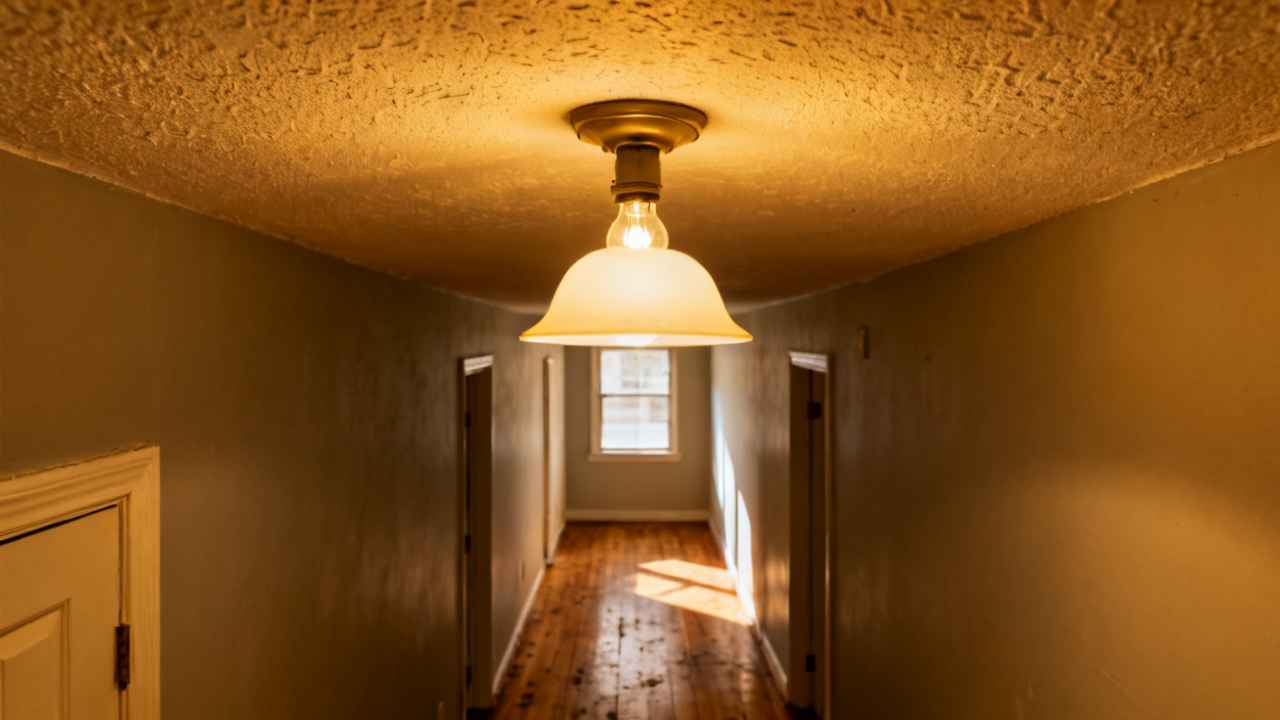
You unscrewed it a minute ago. The glass is still hot. You prop the old hall light bulb on the edge of the Hall Bulb Desk by the stairwell, blowing softly on the surface even though you know it won’t speed the process much. Your tote of building maintenance supplies sits open at your feet, a crumpled recycling guide sticking out of the side pocket. The faint smell of burnt tungsten lingers in the cool hallway air, mixing with the lemon polish the cleaning crew used an hour earlier.
Why this burnt hall bulb is unsafe to handle right now
You already know the heat radiating off the glass can singe your fingertips if you grip it for more than a second, but there are less obvious risks too. If you toss it directly into your supply tote while hot, it can melt the thin plastic bag you use for discarded lighting parts, leaking tiny shards of broken glass into the rest of your tools if it cracks on impact. Sealed halogen variants of this bulb hold internal pressure that can spike if exposed to sudden temperature changes, like being dropped into a cold metal bin straight from the fixture, leading to small, sharp fragments popping outward without warning. Illustrative example: A recently burnt-out 60W incandescent hall bulb can hold a surface temperature of 122 degrees Fahrenheit for up to 8 minutes after being unscrewed, hot enough to cause a first-degree burn on exposed skin after 10 seconds of contact. You don’t need any special equipment to test the heat, just hold the back of your hand an inch away from the glass to gauge how much warmth it’s still putting off before you make contact. You’ve had this happen before, when you rushed to toss a hot bulb into your tote last quarter and ended up with a small blister on your thumb that lasted three days, so you’re not taking that risk again.
Which parts of this hot hall bulb you leave untouched
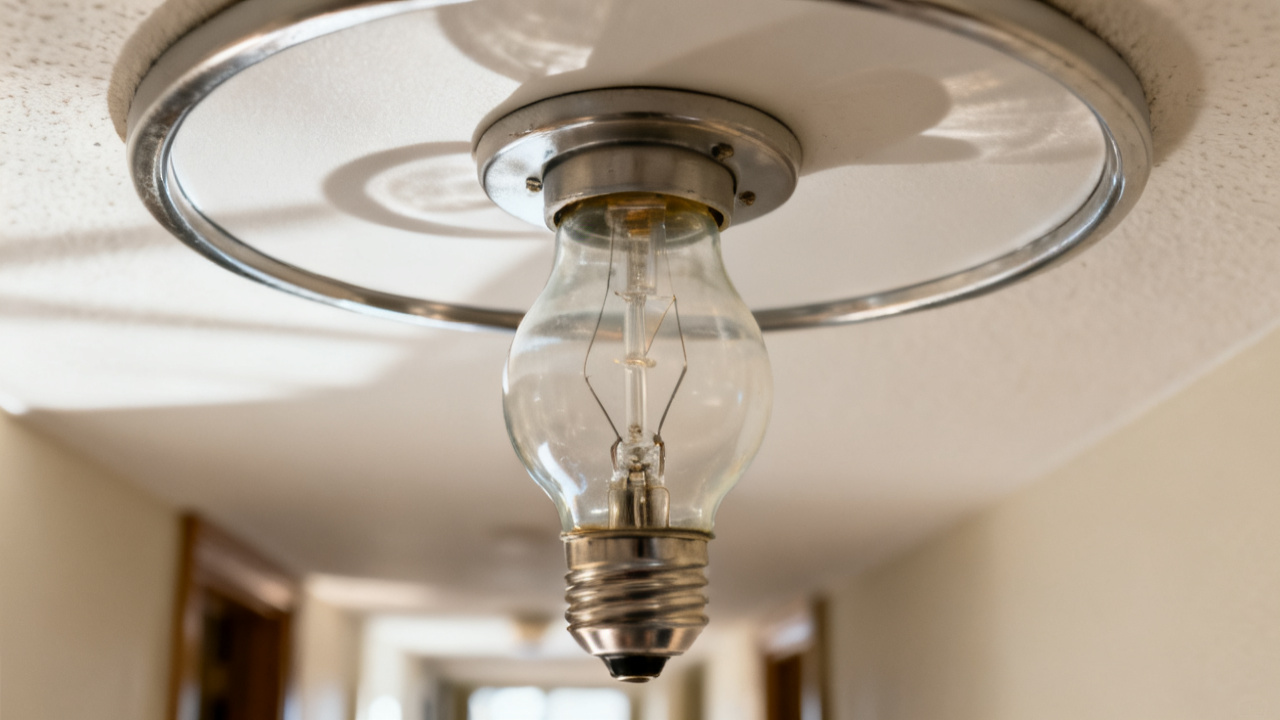
The thin metal screw base is the hottest part of the bulb right now, since it was pressed directly against the live electrical socket for weeks before it burnt out, so you avoid brushing it against your wrist or the exposed fabric of your work pants. You also don’t touch the fine, crumbly tungsten filament visible through the crack at the top of the glass, since loose particles can irritate your eyes if they drift upward when you move the bulb too fast. You don’t attempt to wrap the bulb in a paper towel or cloth right now either, since insulating it will slow the cooling process and make you wait longer to dispose of it properly. You also don’t set it on top of the paper stack of work orders on the desk, since the heat could singe the edges of the forms and make them unreadable.
The ten-minute process to cool this warm hall bulb safely
You follow a simple, low-effort sequence to let the bulb cool without risking damage or injury, no special supplies required:
- Set the bulb on a flat, non-flammable surface away from foot traffic, so no resident passing by knocks it onto the tile floor before it cools.
- Set a timer on your phone for 10 minutes, and use the waiting window to wipe down the inside of the empty light fixture with a dry microfiber cloth to remove dust and dead bug debris.
- Test the bulb’s temperature after the timer goes off by tapping the glass lightly with the tip of your fingernail, then pressing the pad of your index finger to the surface for two full seconds to confirm no heat remains.
- Lift the bulb by the screw base only if it feels fully cool to the touch, moving it directly to your disposal container to avoid sitting it back down on the shared hallway surface.
You don’t rush this process, even if you have three more light fixtures to replace on the third floor. A few extra minutes of waiting prevents accidental burns and broken glass that would take far longer to clean up.
Where this fully cooled hall bulb goes after processing
Your building has a separate drop-off bin for small household hazardous waste in the back of the ground floor mail room, so this bulb goes directly into that slot once it is cool. You don’t toss it in the regular hallway trash, since the glass can break open and cut custodial staff when they empty the bin, and the small metal components inside are not processed in standard municipal waste streams. If you are handling a compact fluorescent bulb, you double check that the bin accepts those variants, since some facilities require separate drop-off for bulbs that contain trace amounts of mercury. You keep a small labeled paper bag in the top of your supply tote for bulbs if the hazardous waste bin is full when you finish this task, so you can store it safely until you can drop it off the next day. You make a mental note to ask the property manager to restock the bin liners for the hazardous waste container when you stop by the office after your shift, since the last time you checked the liner was nearly full.
What unneeded steps for this cooled hall bulb you skip entirely
You ignore the outdated note taped to the inside of your supply tote lid that says you should wrap every discarded bulb in three layers of newspaper before disposing of it, since the hazardous waste bin is lined with thick puncture-proof plastic that prevents breakage during transport. You also ignore the resident who stops you in the hallway to ask if they can take the old bulb for a craft project, since building policy prohibits giving away used building materials that could pose a safety risk if used incorrectly. You don’t bother testing the bulb in a different fixture to confirm it is burnt out, since you already tested the socket with the new bulb before you unscrewed the old one, and you know the issue is not with the wiring. You skip any attempts to pry open the glass casing to recycle the internal metal parts yourself, since the specialized processing at the hazardous waste facility handles that separation far more safely than you can with basic hand tools. You also don’t fill out a full work order for this replacement, since small burnt-out bulb swaps are logged in your monthly walkthrough sheet instead of the formal repair tracking system.
When you will check hall bulbs for replacement next
You do a full walkthrough of all hallway light fixtures on the first and second floors of the building every 30 days, so your next check for burnt out bulbs is scheduled for four weeks from today. You add a note to your phone calendar to bring extra 60W incandescent bulbs to that walkthrough, since you only have two left in your supply tote after today’s replacement. You also plan to check the occupancy sensor lights in the stairwells during that same walkthrough, since those burn out 20% faster than standard hallway fixtures due to frequent cycling on and off, per the manufacturer’s packaging. You don’t need to check any fixtures on the third floor this upcoming round, since the property manager just replaced all of those with new LED bulbs last week, which are rated for longer usable life on their packaging. You also plan to bring extra microfiber cloths to that walkthrough, since the dust accumulation in the second floor hallway near the construction entrance is heavier than usual right now, and wiping down fixtures as you go reduces how often bulbs burn out prematurely from overheating under dust layers.