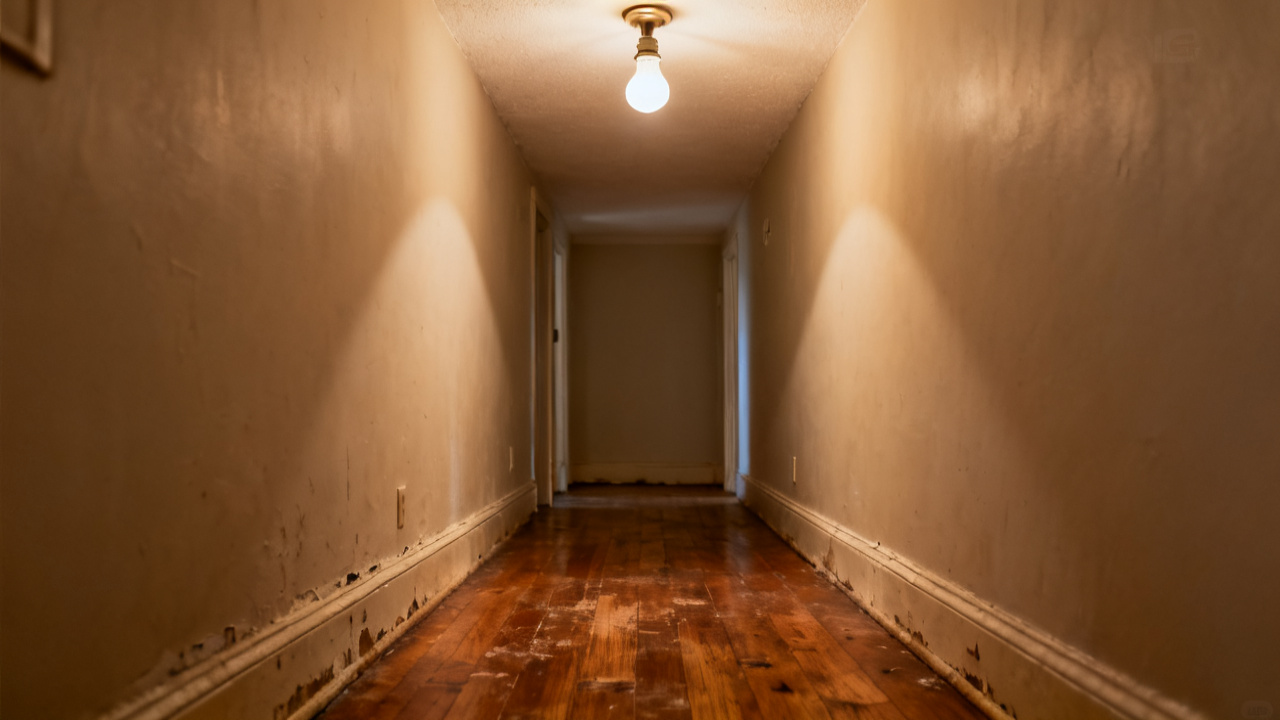
The power blinked once. You want a light that is not on the wall. Your hallway overhead flickers back on for three seconds before cutting out entirely, leaving only the faint glow of your phone screen peeking out of your sweatpants pocket. You pat the side table by your front door first, fingers brushing only junk mail and a half-empty pack of gum, before you remember you stashed the small, dented aluminum flashlight in your utility bin last month. You yank the bin onto the linoleum and dig through tape rolls and stray command strips until your palm wraps around its cool, textured body.
Flashlight Function Check
You settle cross-legged on the hallway floor, the flashlight resting in your lap, and first run your thumb over the rubber power button on its tail end to make sure it isn’t stuck down from being jostled under bin junk for weeks. You press it once, and the lens flickers once with a dim orange glimmer before cutting out entirely, no other response no matter how many times you tap the button or twist the head of the light. You twist the end cap counterclockwise to pop it off, tipping the light slightly to peek into the battery compartment, and spot a faint dusting of corrosion on the negative spring contact, leftover from the old batteries you forgot to pull out when you tossed the light in the bin after your last camping trip. You grab a clean paper towel from the roll you keep on the hallway counter for wiping shoe mud, fold it into a tight corner, and scrub the contact gently until the bright silver metal peeks through again, taking care not to bend the thin spring out of shape as you work. You set the end cap down next to your sock, making sure it doesn’t roll under the shoe rack where you can’t reach it, and reach for the pack of spare batteries you keep in the bin’s side pocket.
Dead Battery Swap for Your Flashlight
You already know you don’t need any special tools for this swap, just a steady hand and the spare batteries you keep stored away from any plugged-in appliances to avoid unnecessary risk. Follow these steps to replace the old batteries properly:
- Tip the old AAA batteries out of the flashlight body into your palm, and drop them into the small battery recycling bag taped to the inside of your utility bin lid, so you don’t toss them in the regular trash by mistake.
- Wipe the inside of the battery compartment with a dry cotton swab to brush away any remaining dust or faint corrosion flecks, making sure no debris gets caught in the spring contacts that would prevent the new batteries from connecting properly.
- Insert three new AAA batteries from the pack you keep next to the Hall Bulb Desk receipt tucked in the back of the bin, aligning the positive end of each battery with the + marker printed inside the compartment to avoid reversing the connection.
- Twist the end cap back on until it sits flush against the flashlight body, with no wiggling or gap along the seam, to ensure the contact points stay pressed firmly against the battery ends when you turn the light on.
Illustrative example: The pack of batteries you’re using has a printed shelf life of 7 years, but that’s only for unopened storage in a cool, dry space, not for active use in a frequently turned-on light, so you know they may run out sooner depending on how often you use the flashlight. You don’t make any assumptions about how long the batteries will last, just that they work right now when you press the power button, sending a bright white beam bouncing off the hallway walls all the way to your front door. You twist the head of the light to adjust the focus, making the beam narrow enough to spot the lost earring you dropped behind the shoe rack last week and wide enough to light the entire length of the hallway if you need to walk to the kitchen in the dark.
Drawer Placement for Your Flashlight
You don’t want to toss the flashlight back in the utility bin where you’ll have to dig for it again mid-power outage, so you turn toward the narrow built-in drawer under the main hallway light switch, the one you use for everyday items you need to grab fast on your way out the door. You pull the drawer open, shifting the lint roller and stack of spare door keys over a few inches to make space in the front right corner, where you can reach the flashlight even if the entire apartment is pitch black and you can’t see what you’re grabbing. You set the flashlight down with the rubber power button facing up, so you don’t have to fumble to find the right end to press when you need it in a hurry, and make sure nothing heavy like the metal key bowl is stacked on top of it, which could press the button down accidentally and drain the batteries when you aren’t using the light. You press the button one more time to confirm it works before you slide the drawer closed, and the beam cuts through the crack between the drawer and the frame for a split second before you push it shut all the way, leaving the light easily accessible but stored safely where it won’t get lost or damaged. You make a mental note not to tuck any random receipts or loose change in that corner of the drawer, so nothing blocks your access to the light when you need it.
Next Flashlight Storm Prep Check
You’ll pull the flashlight back out of the drawer the next time the local weather app sends you an alert for a heavy thunderstorm or wind event, the kind that usually knocks out power in your neighborhood for a few hours at a time. You’ll press the power button first to test the brightness, and if the beam is dim or flickering, you’ll swap the batteries out for a fresh set using the same steps you followed today, making sure the contacts are clean and the end cap is secured tightly before you tuck it back in the drawer. You’ll also take that chance to check the other small flashlights you keep in your bedroom nightstand and the kitchen junk drawer, so you have multiple working light sources spread across the apartment if the power cuts out in the middle of the night and you need to move from room to room safely. You’ll restock your spare battery pack at that point too, if you only have one or two sets left, so you don’t have to run to the corner bodega in the rain or wind to grab more when you need them mid-outage. You don’t plan to use the flashlight for anything other than emergency power outages and the occasional late-night search for a lost sock under the couch, so you won’t need to check it again before that storm alert hits, as long as you don’t leave it turned on when it’s tucked in the drawer. If you do end up using it for a random small task between now and then, you’ll give the power button a quick press after you put it back to make sure it didn’t get left on by mistake.