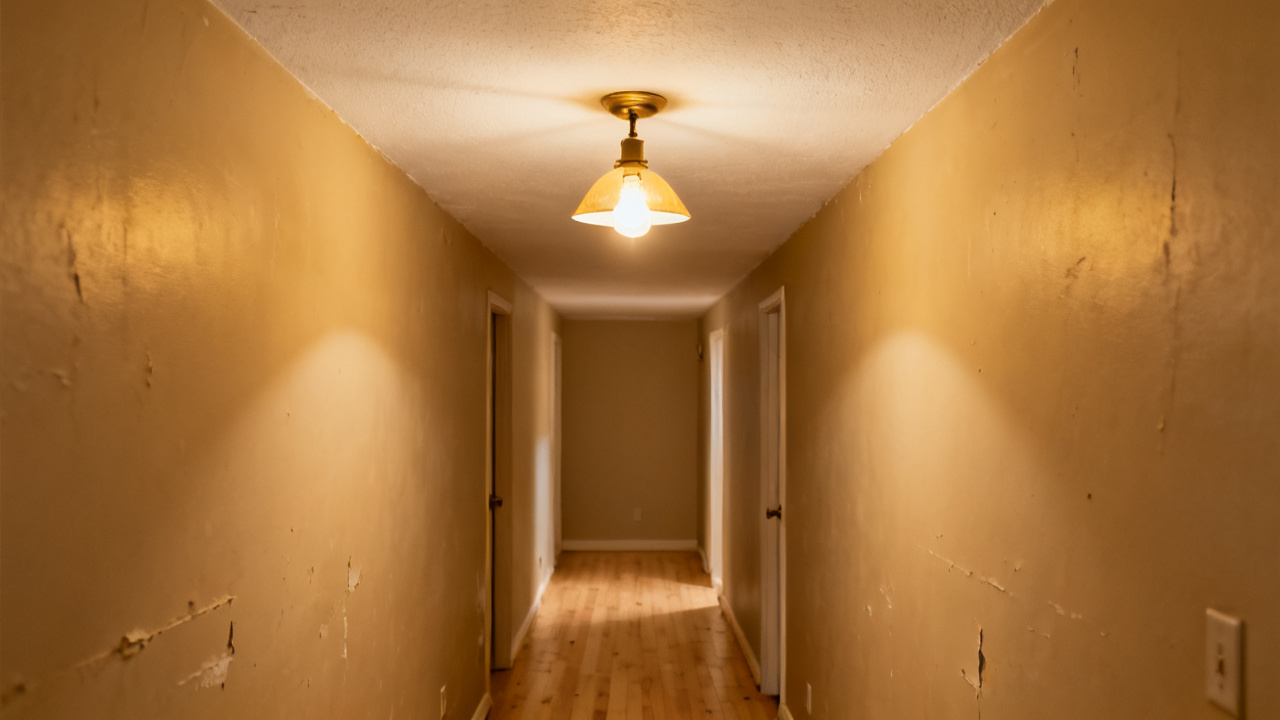
The lamp plug sags. A small tug kills the light. You’d jostled it while hauling a box of winter coats to the hall storage closet, and the dim gap at the end of the corridor where the building’s motion sensor never triggers makes you fumble a little for your phone flashlight. You lean against the wall beside the outlet, fingers brushing the cool plastic faceplate, and weigh how much time you have to fix this before your evening work meeting starts in 15 minutes.
Two low-lift options to resolve the sag
Neither option requires advanced tools or more than a couple minutes of your time, and both will address the immediate issue so the light stays lit when you need it. The first option is to tighten the small mounting screws on the outlet’s faceplate to pull the entire receptacle flush against the wall, which stops the unit from shifting backward when you push the plug in, eliminating the gap that lets the plug sag loose. This option works best if the root of the issue is a loose outlet rather than worn internal contact points, but it requires a small flathead screwdriver you’d have to dig out of the junk drawer in your kitchen. The second option is to add a small amount of bulk to the lamp’s plug prongs so they grip the outlet’s internal contacts more tightly, no disassembly required. The old outlet in this hall was installed when the building was built in 1987, so its internal contact points have widened from decades of use, making it harder for plugs to stay seated. Illustrative example: the average 3 wraps of 15 mil electrical tape add 0.8 mm of bulk per prong, enough to close most of the excess gap in older outlets without forcing the plug to sit crookedly or damage the internal contacts. You know neither fix is permanent, and either could wear out after a few weeks of regular jostling, but either will work for the next few days until you have more time to address the issue fully. You don’t have time to dig for the screwdriver before your meeting, so you pick the tape option.
Selected adjustment you can complete right now
You follow these simple steps to get the light working again before your meeting kicks off:
- Unplug the lamp entirely from the outlet to avoid any accidental contact with live internal parts as you work. Even low-voltage household lamps carry enough current to cause a small shock if you touch exposed prongs while the plug is partially seated, so this step is non-negotiable.
- Grab the roll of electrical tape you keep in the utility bin by the front door, tucked between the extra door stops and the package of command hooks you bought for hanging holiday decor. Tear off two 2-inch strips of tape, one for each metal prong of the lamp plug.
- Wrap one strip tightly around the base of the first prong, overlapping the edges slightly so no sticky adhesive faces out, which would leave gunk on the outlet’s internal contacts over time. Repeat the process with the second strip on the other prong, making sure you leave the very top eighth of an inch of each prong fully exposed to make solid contact with the outlet’s internal metal parts.
- Push the plug back into the outlet firmly, applying even pressure to both sides so it sits flush against the faceplate. Wiggle it gently from side to side to test how much it shifts, then flip the lamp switch on to confirm the light turns on immediately and stays lit even when you tug lightly on the cord 2 inches from the plug base.
- Tuck any excess cord behind the small wooden side table that sits against the wall under the lamp, so no one walking down the hall catches their foot on it and yanks the plug loose again.
You’d grabbed the extra roll of electrical tape last month from the Hall Bulb Desk when the property manager left free household supplies out for tenants, so you don’t even have to spend money on this fix. You test the light one more time, waving your hand in front of it to make sure the pull of air doesn’t make the plug shift enough to cut power, and it stays steady, casting warm yellow light all the way to the stairwell door at the end of the hall.
Quick paper note to leave for your roommate
Your roommate has complained three times in the last two weeks about coming home late from their barista shift to a dark hall, tripping over the pair of sneakers you leave by the closet door when the light is out. You grab a neon yellow sticky note from the pack you keep in your work bag, and scrawl three short lines in thick Sharpie so it’s easy to read even in dim light:
- Wrapped the lamp plug prongs with tape to stop it from falling out of the outlet
- Don’t yank the cord hard if you need to unplug the lamp to use the outlet for your portable charger
- I’ll replace the whole outlet next month when maintenance drops off the new receptacle we requested
You add a small doodle of a lightbulb at the bottom so it feels friendly, not like a chore list. You stick the note low on the lamp base, just above the switch, so your roommate will spot it immediately when they reach to turn the light on when they get home, but it’s not visible to delivery workers or other tenants who walk past the apartment door. You know they tend to yank plugs out by the cord instead of gripping the plastic base, so the note will remind them to be gentle so the tape doesn’t peel off prematurely. You give the note a small pat to make sure it’s stuck tight, then head to your room to log into your meeting, confident the hall will stay lit for anyone who needs it for the rest of the night.
Next time you do this job
Next time you tackle this task, you’ll replace the entire outlet receptacle instead of relying on a temporary tape fix, since you know the old unit’s internal contacts are too worn out to hold plugs securely long term. You’ll schedule the work for a Saturday morning three weeks from now, when the property maintenance team is available to turn off the circuit breaker for the hall outlets so you can work safely without handling live wiring. You won’t have to do any electrical work yourself, since the maintenance team will handle the actual wiring swap if you bring the new receptacle to them, but you’ll stick around to test the fit once it’s installed to make sure it works for all the devices you regularly plug into that hall outlet. You’ll bring the lamp plug, your phone charger, and the cord for the portable stick vacuum you use to clean the hall rugs to test each one, making sure they all fit snugly and don’t sag when you tug gently on the cord. You’ll also pick up a new screwless white faceplate from the hardware store to replace the chipped, yellowed one that’s currently on the outlet, to make the whole setup look cleaner and match the other outlets in the apartment. After the new outlet is installed, you’ll add a recurring reminder to your phone calendar to check the plug fit every six months, since the building’s old wiring wears out faster than wiring in new construction, and catching small sags early will keep you from having to fumble for your phone flashlight in the dark hall again. You’ll also leave a small note for your roommate next to the light switch once the new outlet is installed, letting them know they don’t have to be gentle with the plug anymore, and they can remove it as needed without worrying about breaking anything.