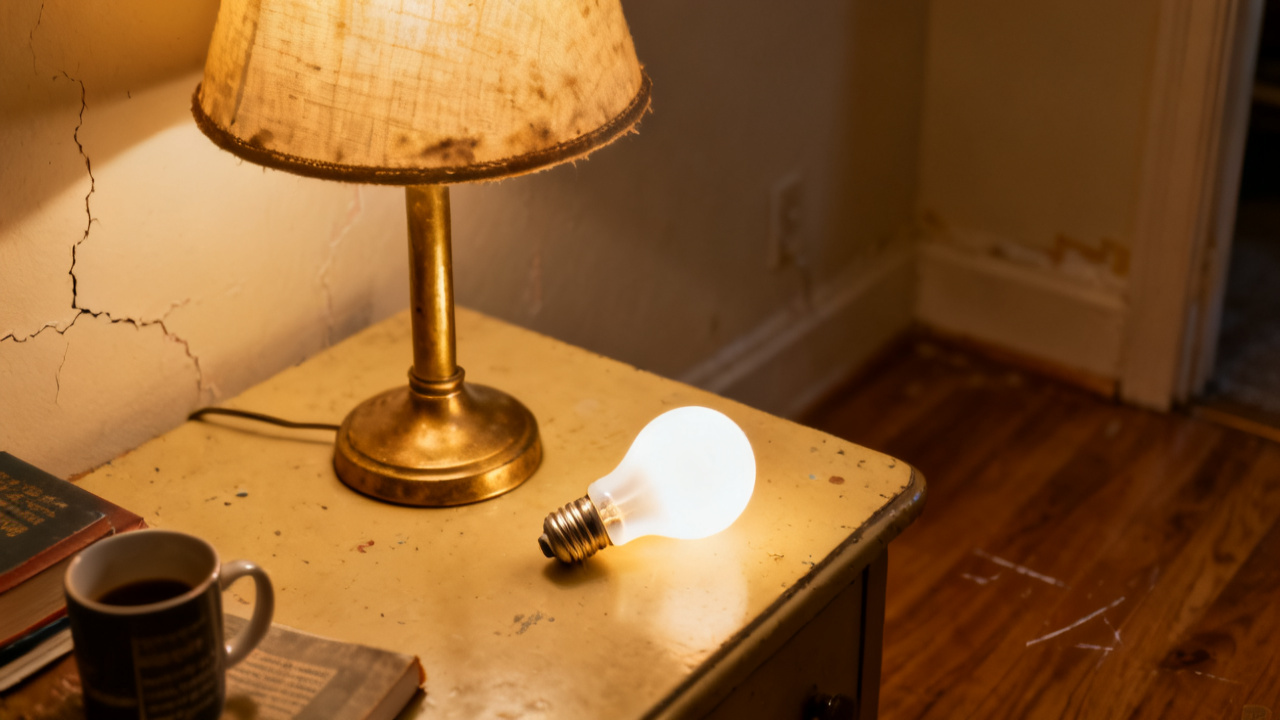
A guest is staying. The bathroom switch is not obvious. You lean against the hallway wall a few feet from the bathroom door, twisting a spare warm white LED bulb between your fingers. You’d noticed your last visitor fumbling for 20 seconds by the door frame last month, squinting at the array of toggle switches that control the vent, the overhead fan, the under-cabinet night light, and the main overhead. You don’t want anyone tripping over the edge of the bath mat mid-sip of water at 2 a.m., so you’re taking a few minutes to fix the issue before they arrive with their overnight bag.
What is wrong with your unmarked guest bathroom light array?
Most people don’t think to look for switches on the inside of the bathroom door frame, which is where you mounted the main light toggle when you moved in, and the tiny night light switch is hidden under the lip of the medicine cabinet, where only you know to find it. If a guest doesn’t want to wake you up to ask how to turn the light on, they might end up using the flashlight on their phone, which is an unnecessary hassle no one wants to deal with when they’re visiting someone else’s home. The switches are all unlabeled, same size, same color, so no one can tell which one turns on the main light without flipping all of them first. If someone is half asleep, they might turn on the loud vent fan by mistake, waking up other people in the apartment, or turn on the harsh overhead that hurts their eyes when they’re still groggy. There’s no secondary light that’s always easy to access, no matter how familiar someone is with your space.
Which components you leave untouched when adjusting the guest bathroom light?
You don’t mess with the existing wired switches at all—you’re not re-wiring anything, you’re not labeling the existing toggles with sticky notes that will peel off and leave gunk on the paint, you’re not adjusting the brightness of the hardwired overhead that you like for your own skincare routines. You also don’t move the bath mat or the hand soap dispenser that sits by the sink, since those are already positioned exactly where most people expect them to be. You don’t adjust the door hinge that sticks a tiny bit when you open it fast, since that’s a separate project you’ll get to later, and it doesn’t impact someone’s ability to find a light. You also don’t adjust the motion sensor night light you have in the hallway right outside the bathroom, since it’s already set to turn on when someone walks past it at low brightness, and it works perfectly to guide people to the bathroom door in the first place. Messing with its settings would only make it harder for guests to navigate the space, so you leave it exactly as it is.
The ten-minute action to set up your consistent guest bathroom light
You grabbed the bulb and low-profile plug-in fixture from the Hall Bulb Desk earlier this afternoon, so you don’t have to rummage through the utility closet mid-prep. Follow these simple steps to get the light set up with no specialized tools required:
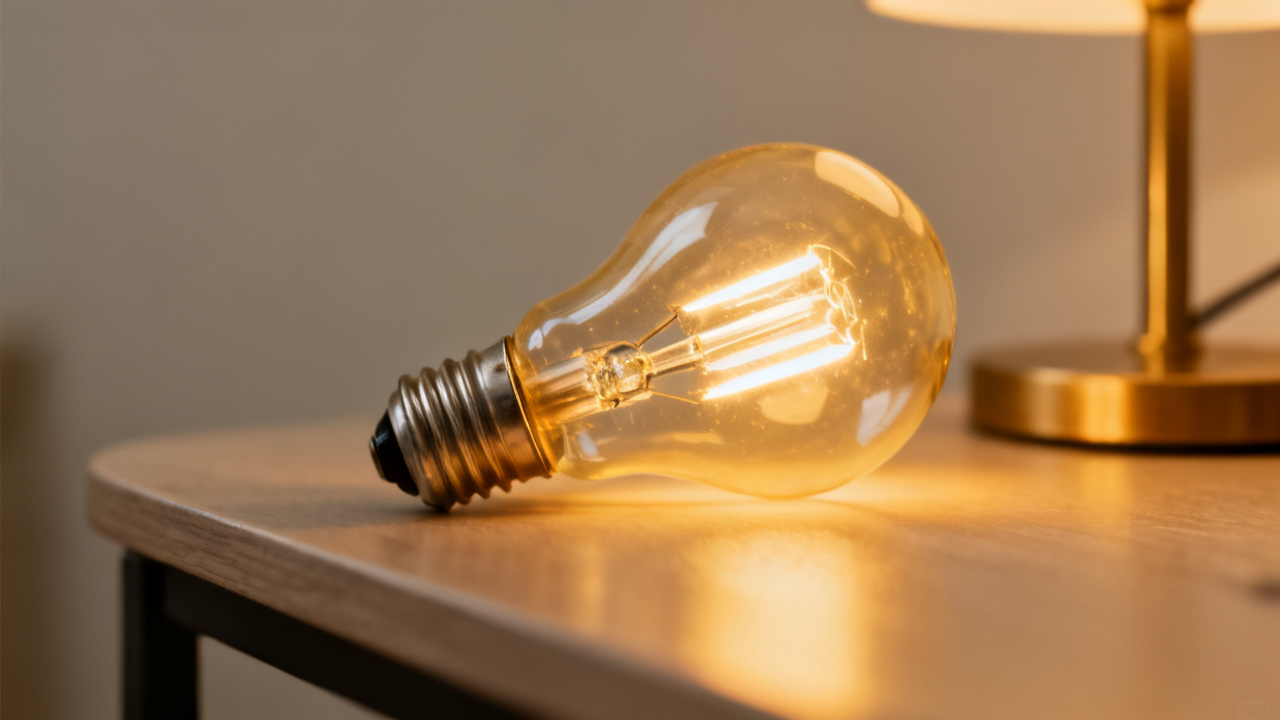
- Unpack the low-profile plug-in light fixture from its packaging, and screw the warm 3W LED bulb into the base until it sits firmly, no wiggling. Stop immediately if you notice any fraying on the fixture cord, and swap it for a different spare you have on hand.
- Locate the standard GFCI outlet next to the bathroom sink, double check that it is not being used for any other device, and wipe any stray toothpaste splatters or dust off the face of the outlet with a dry paper towel.
- Plug the fixture into the outlet, adjust the dimmer slider on the side of the fixture to the lowest setting that casts enough light to see the floor, sink, and toilet clearly without being bright enough to disrupt sleep cycles.
- Test the on/off switch built into the fixture’s cord three times to make sure it toggles smoothly, and tuck the excess cord behind the toilet tank so it doesn’t hang down where someone could trip over it or knock the fixture off the counter.
Illustrative example: You can keep this light running for 127 days straight on a single 3W LED bulb before you need to swap it out, if you leave it on low 24/7 during guest visits. This setup works for most short stays, though all bulbs and fixtures can fail unexpectedly, so you keep a spare bulb in the bathroom’s medicine cabinet just in case.
Where you position your dedicated guest bathroom light for easy use
You set it on the far edge of the sink counter, right next to the door, so it’s the first thing someone sees when they push the bathroom door open. It’s not close enough to the faucet that it will get splashed with water when someone washes their hands, and it’s not blocking the soap dispenser or the toothbrush holder you keep out for guests. The built-in switch is facing out toward the door, so someone doesn’t have to fumble around the back of the fixture to turn it on or off if they don’t want to leave it running all night. You make sure it’s not sitting in direct line of the vent fan’s airflow, so it won’t rattle or make noise when someone turns the fan on after a shower. The warm light it casts is soft enough that it doesn’t glare off the mirror, so someone won’t be blinded if they glance up while walking in the door. You can also leave a tiny handwritten note next to it that says “leave on or off, whatever works for you” if you want to be extra clear, but it’s obvious enough that most people will figure it out without the note.
Unrelated tasks to ignore while setting up your guest bathroom light
You don’t stop to scrub the tiny grout stain on the floor next to the shower, even though you’ve been meaning to get to it for weeks. You don’t rearrange the medicine cabinet to hide your prescription skincare products, since you already have a separate bin for those stored under the sink. You don’t run out to buy a fancy hand soap or a new set of guest towels, since you already have clean towels folded on the shelf outside the bathroom and the soap you have works perfectly well. You don’t test all the existing switches to see if you can rewire them to be more intuitive, since that’s a multi-hour project that you don’t have time for right now, and the plug-in light solves the problem completely for this visit. You don’t stop to reply to the group chat thread blowing up your phone, since your guest will be arriving in 15 minutes and you only have a couple of small tasks left to finish before they get there.
Your next scheduled check for the guest bathroom light
You’ll check the light first thing the day after your guest leaves, to make sure it’s still working properly and the bulb hasn’t burned out. You’ll unplug it from the outlet, tuck the cord around the base of the fixture, and store it in the hallway closet until your next guest is scheduled to arrive. You’ll also make a note to check the bulb’s brightness and the cord for wear three days before your next scheduled visitor, to make sure you have time to replace any parts if you need to. You don’t have to check it every week when you don’t have guests coming, since it’s stored safely away and not in use. If you have a last-minute guest pop up, you can do a quick 30-second check to make sure the bulb works before you set it up on the counter again, no extra prep needed. You can also use the same fixture for other small lighting needs around the apartment when you don’t have guests, as long as you remember to put it back in the closet when you’re done so you don’t have to hunt for it the next time someone comes to stay.