Several bulbs are old. One lamp is the one you use after dinner. You fumble in your jacket pocket for the small pack of replacement LED bulbs you picked up earlier on your walk home, shifting your weight to keep your phone flashlight angled at the scuffed metal lamp base tucked between the mail shelf and the fire extinguisher. The hallway’s overhead lights flicker once, a reminder you don’t want to be fumbling with this in full dark later.
Remove the frosted glass lamp shade
First, unplug the lamp from the wall outlet tucked behind the mail shelf, no exceptions. If the metal base feels even slightly warm to the touch, set a timer on your phone for five minutes and lean against the wall while you wait, scrolling through your unread text messages if you want to pass the time. Trying to handle a hot bulb can lead to minor burns, and you don’t want to drop a shattered bulb all over the hallway floor right before the building cleaner comes through tomorrow morning. Once the base is cool to the touch, reach up to the frosted glass shade, twist it counterclockwise a quarter turn, and it’ll pop loose from the two small plastic tabs holding it in place. Set it on the floor next to your feet where you won’t kick it, not on the wobbly edge of the mail shelf where it could tip off and shatter when someone slams their apartment door on the other end of the hall. You’ve already got a small chip on the edge of that shade from when your neighbor’s kid ran down the hall with a basketball last month, no need to make the damage worse.
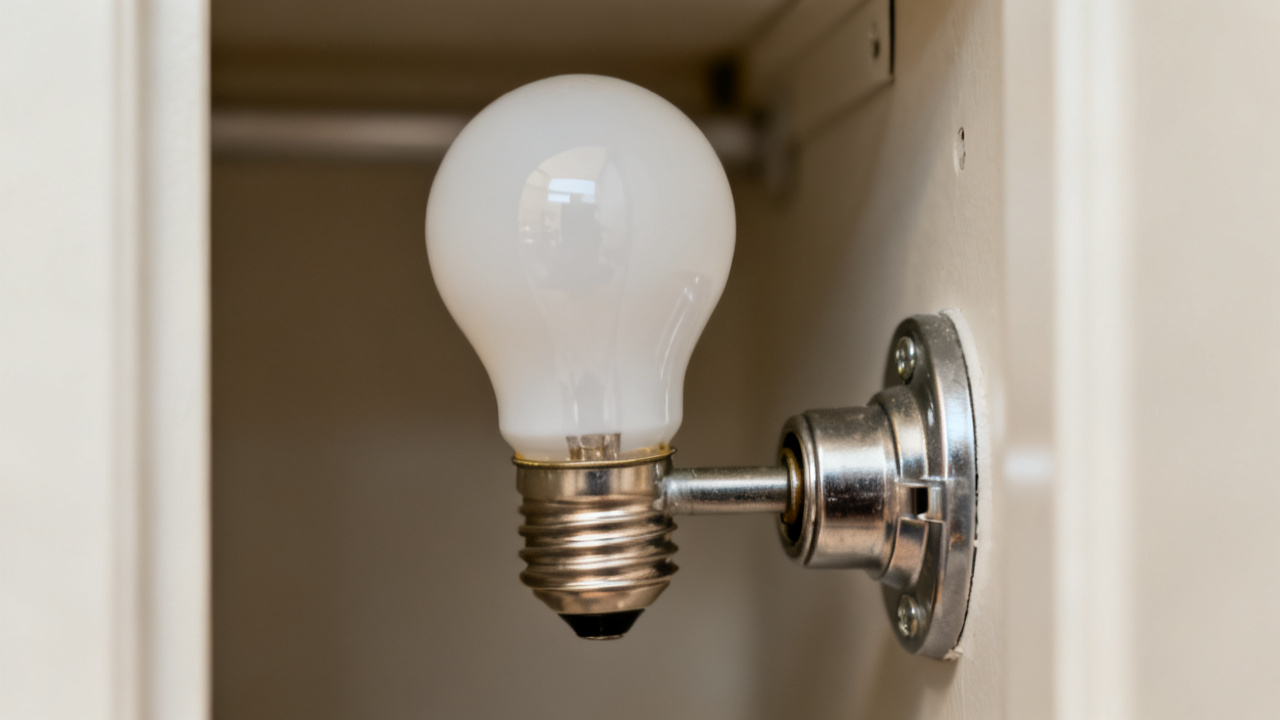
Dispose of the worn halogen bulb
The old bulb is the one that’s been flickering every time you turn it on when you come home late, casting weird dancing shadows on the wall next to your apartment door that made you jump a little last Tuesday when you were coming home after a long work shift. Grasp it gently by the rounded glass top, twist counterclockwise until it pulls free from the socket with a soft click. Don’t squeeze too hard, if it cracks you’ll have to pick tiny shards out of the socket with tweezers, which is way more of a hassle than this 10-minute job needs to be. Drop it in the small crumpled paper bag you brought with you for disposal; you can drop it off at the hardware store’s bulb recycling bin next time you run errands for laundry detergent, don’t throw it in the regular trash because the halogen gas and metal components are not safe for standard landfill processing. If you don’t have time to hit the hardware store this week, you can tuck the bag in the bottom of your pantry until you do, it won’t leak or release anything dangerous as long as the bulb stays intact.
Match the replacement bulb to your use case
You grabbed a multipack of bulbs on your way home from work, but it helps to double check you’re picking the right one for how you actually use this lamp, instead of just grabbing the first one out of the pack. Most people pick bulbs based only on wattage, but brightness and warmth matter far more for a lamp you use every night to read your book while you wait for your roommate to get home, or to sort through your mail before you head inside your unit. The right bulb will feel soft on your eyes, no harsh glare, and won’t mess with your melatonin levels right before you head to bed.
| Bulb Type | Estimated Lifespan With 2 Hours Daily Use | Warmth (Kelvin) | Annual Energy Cost |
|---|---|---|---|
| Warm LED | 14 years | 2700K (soft gold) | $1.27 |
| Halogen | 1 year | 3000K (bright warm) | $6.82 |
| Daylight LED | 12 years | 5000K (cool white) | $1.19 |
You want the warm LED, obviously, the cool daylight one is too harsh for late nights, it’ll make it harder to fall asleep if you’re staring at it while you flip through your novel before heading inside. Illustrative example: If you use this lamp an extra 30 minutes every night to fold laundry when you get home, the warm LED will still last 11.2 years before it burns out, so you won’t have to do this again for a very long time. That said, unexpected power surges or accidental knocks to the lamp could shorten that timeline, so you don’t need to mark your calendar a decade out just yet.
Seat the new bulb and reattach the shade
Pick the warm LED out of the pack, peel off the small plastic wrapper around its base, don’t touch the glass part of the bulb with your bare fingers if you can help it, oil from your skin can leave residue that causes hot spots when the bulb is on, which can shorten its usable life. Align the small metal pins on the base of the bulb with the slots in the socket, push it in gently, then twist clockwise a quarter turn until it feels snug, don’t over twist it or you could crack the socket or the bulb base. Plug the lamp back in for two seconds to test that it turns on, the soft gold light will flood the small nook by the mail shelf immediately, no flicker, no buzz, exactly what you need for those quiet evenings waiting for your takeout delivery to arrive. Unplug it again quickly while you reattach the shade, line up the tabs with the slots on the lamp base, twist clockwise a quarter turn until it clicks into place, then plug it back in permanently. Wipe the smudge off the shade from when you carried a stack of takeout containers last week with the hem of your hoodie while you’re at it, it’ll look good as new. You can tuck the remaining two bulbs from the pack in the small drawer of the Hall Bulb Desk for future use, so you don’t have to dig through your kitchen junk drawer next time a bulb burns out.
Schedule your next hall lamp check
You don’t need to check this lamp every week, but set a reminder in your phone for three months from now to take a quick look at it when you get home from work one night. When that reminder pops up, all you need to do is turn the lamp off for two minutes, feel the base to make sure it’s not running hotter than normal, and check that the shade is still attached securely, no wiggling. If you notice any flicker when you turn it on that day, you’ll already have extra bulbs stored nearby so you don’t have to run to the store in the rain like you almost did tonight. You can also take that chance to check the other old bulbs in the hallway: the one above the fire escape door, the small night light by the laundry room, the flickering overhead fixture at the end of the hall. Those aren’t urgent right now, since you don’t use them every single night, but checking them in three months will let you replace them before they burn out completely and leave a dark spot in the hallway for a week. If you end up replacing any of those bulbs then, you can follow the exact same steps you used today, no extra tools or fancy supplies required. You can even bring a spare paper bag with you that day to collect the old bulbs for recycling, so you don’t have to run back to your unit mid-job to grab one.